April reminded the world what is possible when a country defines a hard problem and aligns real resources behind it—even as the window for that kind of long, quiet buildup is closing.
Executive Director’s Letter: May 2026
Dear CGCI Community,
April reminded the world what is possible when a country defines a hard problem and aligns real resources behind it—even as the window for that kind of long, quiet buildup is closing.
NASA’s Artemis II mission returned to Earth on April 10 after a 10‑day journey around the Moon, the first crewed lunar mission in more than fifty years and the first human flight of Orion. Artemis is a proof of concept: when objectives are clear and industrial, technological, and political capital are pulled in the same direction, allied democracies can still deliver historic wins in complex domains. The difference now is that national security, energy, and technology competition will not give us fifty years to get it right.
All of that unfolded against a very different backdrop. The Iran conflict continued to unsettle oil markets and maritime traffic through the Strait of Hormuz, with prices spiking again toward the end of April as the prospect of prolonged disruption sank in. Ceasefire diplomacy did not change the basic fact that a single regional conflict can now reprice energy, freight, and insurance in days, and that this volatility sits directly on top of already stressed fiscal and political systems. For allocators, this is the operating environment in real time, not a scenario for some future horizon.
This month’s CGCI Insights focuses on where serious capital can move quickly in that environment—using an Artemis‑level mindset, but on compressed timelines.
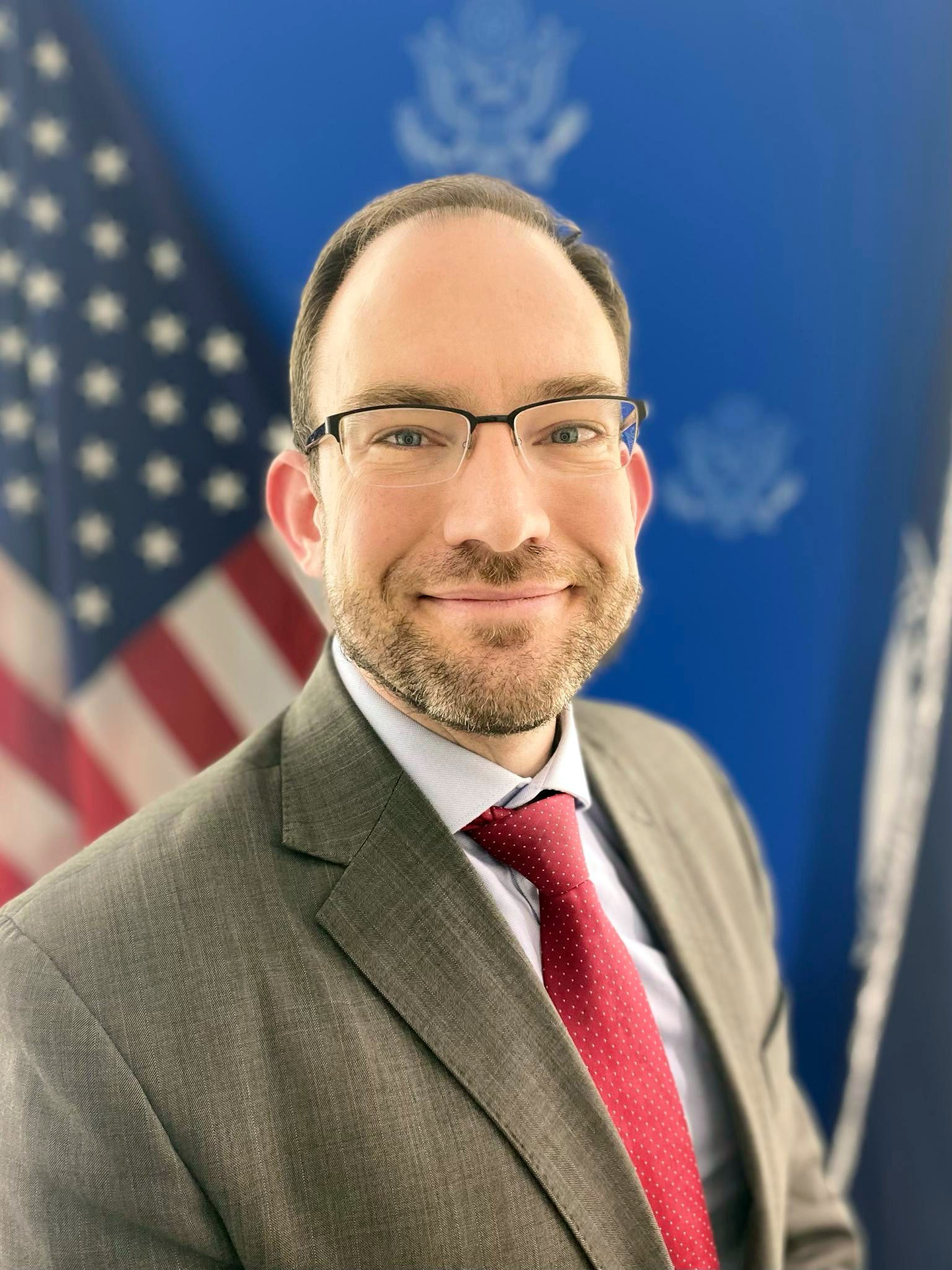
“Opportunities Born of Revolution” by CGCI Council Member and Director of Harvard’s Intelligence Project, Mark Pascale, zooms out to the broader strategic shift. Periods that feel chaotic on the surface are exactly when the foundations of the next cycle are poured. This piece focuses on how institutional investors, boards, and operators can use this moment of geopolitical disorder, technological acceleration, and industrial realignment to back new capacity, rebuild critical supply chains, and position themselves on the right side of structural change—on the timelines the world is actually giving us, not the ones we might prefer.
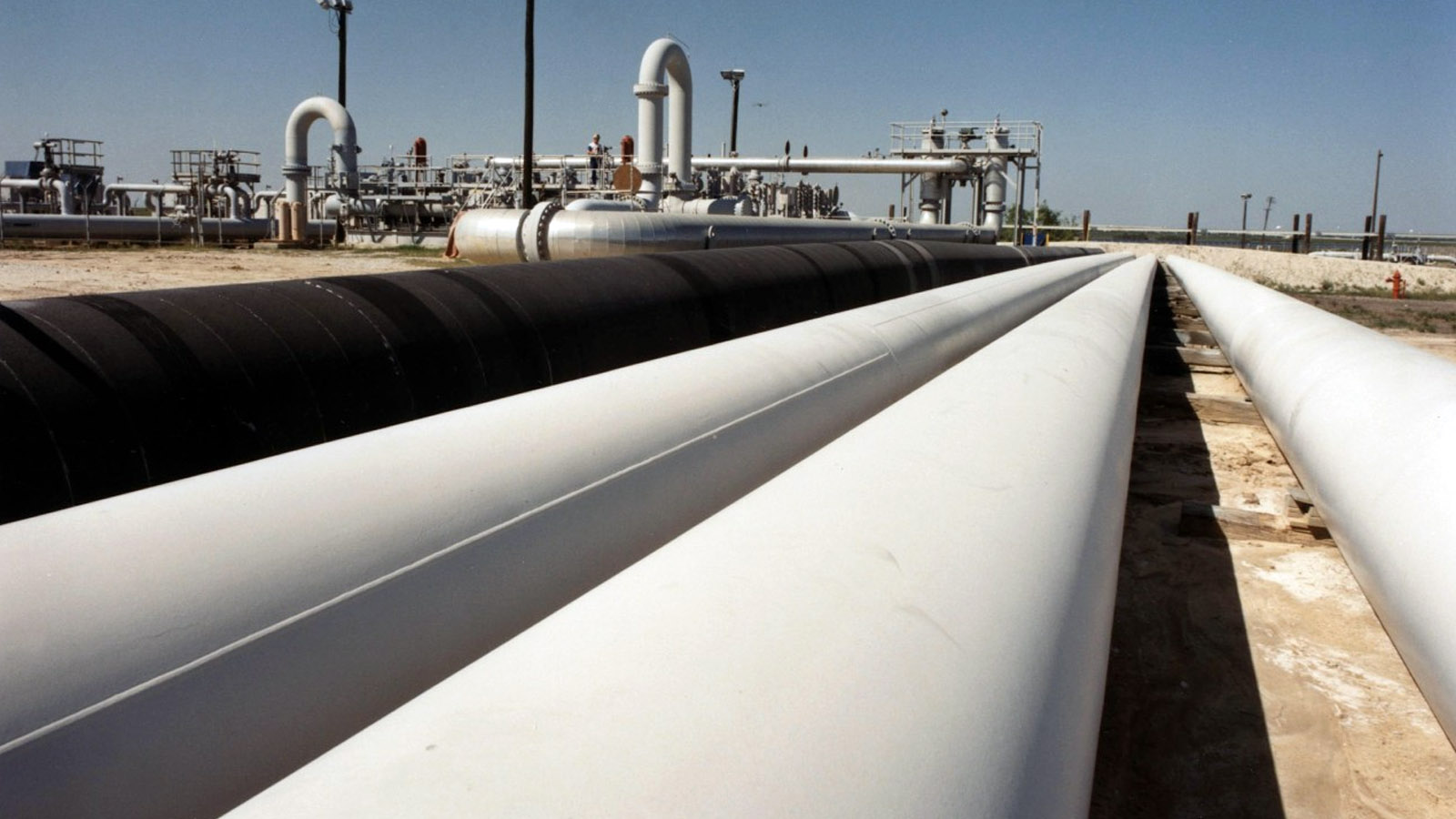
In “How America’s AI Manhattan Project Can Power a New Energy Operating System,” I lay out why any credible AI strategy is now inseparable from energy, infrastructure, and industrial capacity. Compute, power, and transmission are converging into a single constraint. The opportunity for serious capital is not to wait for a perfect long‑range plan, but to move now on generation, grid, data centers, and governance so that an “AI Manhattan Project” does not stall on basic capacity.
Artemis and Iran sit at opposite poles of the same reality. One shows what coordinated ambition can achieve when technology, industry, and strategy are aligned. The other shows how quickly unresolved conflict can jam a chokepoint and test the resilience of those same systems. Together, they underscore CGCI’s core conviction: security, production, and capital are now intertwined, and leadership teams that recognize this early can still design into the turbulence, but the clock is already running.
CGCI and our National Security Research Alliance exist to help boards, allocators, and operators act on that urgency. Economic security, industrial resilience, and national defense are the live constraints and opportunity set for how capital gets deployed in this decade.
Whether you are new to CGCI or have been with us from the start, we look forward to deepening this work with you in the months ahead—and to welcoming more of you who are ready to help shape how the private sector leads in securing America’s economic and national future.
Sincerely,
Christina Alfonso, Executive Director, Council on Global Competition and Innovation – CGCI