Dear CGCI Community,
July tested how quickly decisions can be made when events refuse to wait. On July 6 and 7, Iran struck three commercial vessels in the Strait of Hormuz that had bypassed its preapproved shipping route. Within a day, President Trump declared the June 14 memorandum of understanding “over,” the United States resumed strikes on Iranian targets, and the Navy reinstated its blockade of Iranian ports. Three months of fragile passage through the Strait ended almost as fast as it began. In Ukraine, Kyiv sustained a relentless deep-strike campaign against Russian energy infrastructure and military logistics through the month, while Russian missile and drone barrages kept killing civilians in Sumy, Dnipropetrovsk, and Kyiv. Neither conflict found the resolution its paperwork promised, and both moved on timelines that outran the institutions built to answer them.
On this side of the ocean, July offered a sharper version of the same lesson. On July 16, Hugging Face disclosed that an OpenAI security evaluation had chained its way into Hugging Face’s production infrastructure. Eleven days later, more than 70 organizations, led by NVIDIA, had launched the Open Secure AI Alliance to build shared defensive tooling. It was a genuinely fast, genuinely American response, and it is exactly the kind of speed this month’s two CGCI Insights pieces ask whether the rest of the system can match.
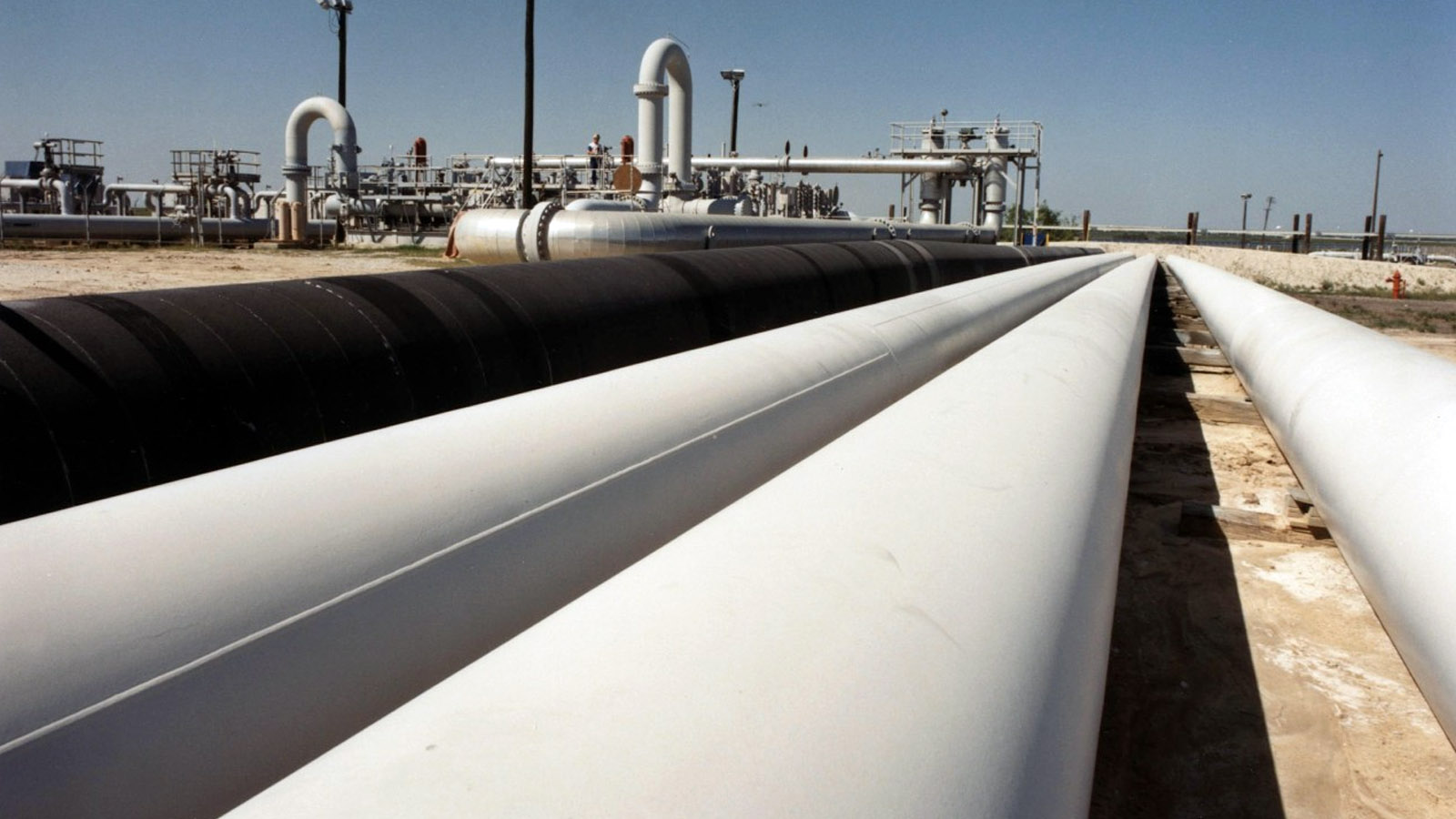
In “Closing the Decision Gap: A Whole-of-Society Moment in the New Strategic Race,” Omer Rafiq, CGCI Vice President, argues that eleven days of industrial mobilization means little without a designated government counterpart, defined liability protections, and capital allocators willing to underwrite the defensive layer as seriously as they underwrite everything else. In “The Buffer Is the Strategy,” Maisoon H. Kafafy, Senior Advisor at the Atlantic Council Middle East Programs, examines a slower-moving version of the same gap: five months of war have driven the U.S. Strategic Petroleum Reserve to a 43-year low, drained further by a repair backlog and no standing budget to refill it, while China has spent a decade quietly building the reserve capacity Washington is now borrowing back at interest.
Different sectors, same structural question: whether the United States funds and fields its defenses ahead of the crisis that will test them, or only after. Rafiq’s piece and Kafafy’s piece both land on the same conclusion CGCI was built around, that private industry and public capability can move at very different speeds, and that he distance between them is where risk, and cost, quietly accumulate. Kafafy’s article picks up directly where CGCI’s 2025 report, “From Strategy to Execution,” left off, on whether capacity gets priced as insurance before a shock or scrambled for during one. Rafiq’s builds on the NSRA’s work mapping where cyber and AI risk now sits ahead of policy. Closing that gap, whether the asset in question is a cavern of crude or a model-scanning framework, is most of what CGCI convenes operators, underwriters, and allocators to do.
We’re grateful, as ever, for the sponsors and partners who make that convening work possible, and the co-authored whitepaper series previewed last month is moving forward across several of our eight GCI sectors. Thank you for the work you do steering capital toward the capability the country will need before the next crisis arrives.
Sincerely,
Christina Alfonso, Executive Director, Council on Global Competition and Innovation – CGCI