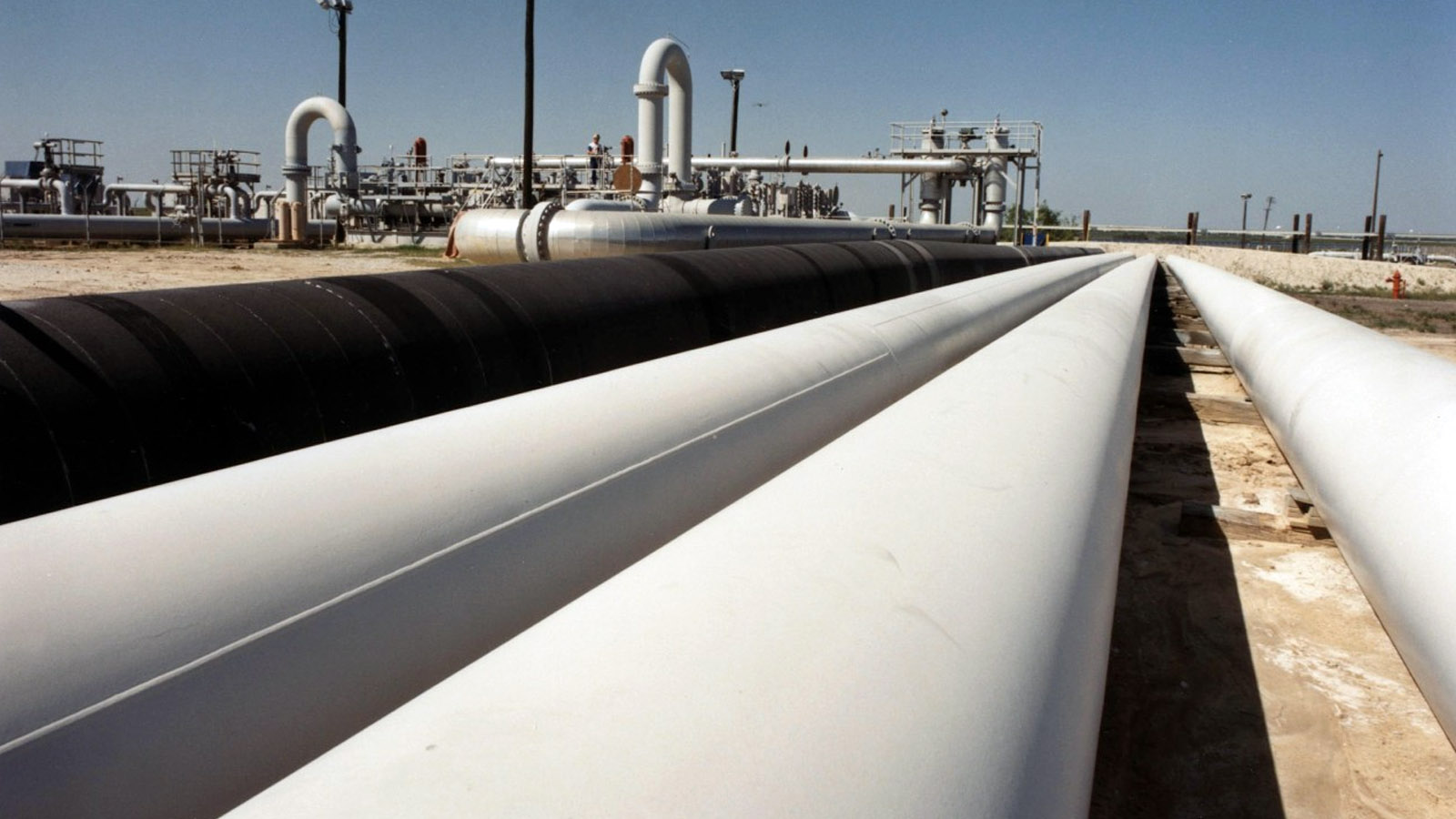
Since late February, the Iran war has escalated into a sustained conflict that has jolted oil and gas prices, disrupted traffic through the Strait of Hormuz, and widened the range of macro outcomes investors must underwrite. Energy, shipping, insurance, and construction supply chains are feeling the strain, even as equity markets send more ambiguous signals about how seriously they are pricing the conflict. For allocators, this is an active test of whether portfolios, models, and governance structures can treat great‑power and regional conflict as a persistent design constraint rather than a temporary shock.
Executive Director’s Letter: April 2026
Dear CGCI Community,
Since late February, the Iran war has escalated into a sustained conflict that has jolted oil and gas prices, disrupted traffic through the Strait of Hormuz, and widened the range of macro outcomes investors must underwrite. Energy, shipping, insurance, and construction supply chains are feeling the strain, even as equity markets send more ambiguous signals about how seriously they are pricing the conflict. For allocators, this is an active test of whether portfolios, models, and governance structures can treat great‑power and regional conflict as a persistent design constraint rather than a temporary shock.
Allies are moving in parallel. NATO’s 2025 Annual Report (released March 26, 2026) shows a significant step‑up in defense spending, with European Allies and Canada registering a 20 percent increase over 2024 and, for the first time, all members meeting or exceeding the older 2 percent of GDP benchmark as they move toward a more demanding 5 percent framework. In Washington, President Trump’s Cyber Strategy for America (released March 6, 2026), signals one of the most comprehensive federal commitments to cyber and quantum security to date and explicitly leans on tighter public‑private alignment to harden critical infrastructure and data against state‑backed threats.
This month’s CGCI Insights features two pieces that speak directly to how allied security and private capital must now work together. In “NATO’s New Normal: Implications for Private Capital and Allied Deterrence,” NATO Parliamentary Assembly Secretary General and CGCI Council Member, Benedetta Berti, PhD explains how the Alliance is adapting to an era of “strategic competition, pervasive instability and recurrent shocks,” including a structural ramp‑up in defense and resilience spending toward a 5 percent of GDP framework and a deliberate push to build a whole‑of‑society culture of defense. Dr. Berti makes one point that is especially salient for investors in this moment: “security by design” will need to be priced directly into capital allocation, and there will be a first‑mover advantage for those who help de‑risk critical infrastructure, dual‑use technologies, and defense‑critical supply chains ahead of the next crisis.
Our second feature, “Security, Fragility, and the Responsibilities of American Finance in a World Without a Rule Book,” by global macro risk expert and CGCI Council Member, Mark Patrick, takes that logic into the heart of U.S. financial decision‑making. He highlights that the erosion of the old rules‑based order, mounting fiscal and institutional strain in advanced democracies, and the normalization of great‑power competition have turned geopolitics into a first‑order input for every serious investment decision. The market resilience of recent years, he notes, has effectively been borrowed against an inherited architecture of institutional credibility and deep liquidity that is no longer guaranteed, which makes waiting for “normal” a form of unpriced risk.
Together, these pieces reinforce the core of CGCI’s mission. Rising allied defense and resilience outlays, the Iran conflict’s impact on real‑world logistics and pricing, and Washington’s push to enlist private capital in hardening critical infrastructure all point toward the same requirement: economic and national security must be treated as a single, integrated problem by boards, allocators, and operators. CGCI and our National Security Research Alliance exist to turn that requirement into practical, investable theses and board‑ready frameworks, so that the institutions stewarding capital can help shape—not just endure—the strategic environment now emerging.
Thank you for bringing seriousness and capital to this work. The decision in front of all of us is whether to treat security as background noise or as the central design parameter for how we deploy capital in this decisive decade.
Sincerely,
Christina Alfonso
Executive Director, Council on Global Competition and Innovation – CGCI